Monitoring and Control
Monitoring and Control: Navigating the Path to Success
In the intricate tapestry of project management, the phase of Monitoring and Control acts as the vigilant guardian, ensuring that projects stay on course and deliver the desired outcomes. As a seasoned business consultant, I recognize the critical importance of this phase in maintaining oversight, managing risks, and driving continuous improvement. Monitoring and Control is not merely about tracking progress; it is a proactive process that requires vigilance, analysis, and decisive action to keep projects on track and aligned with strategic objectives.
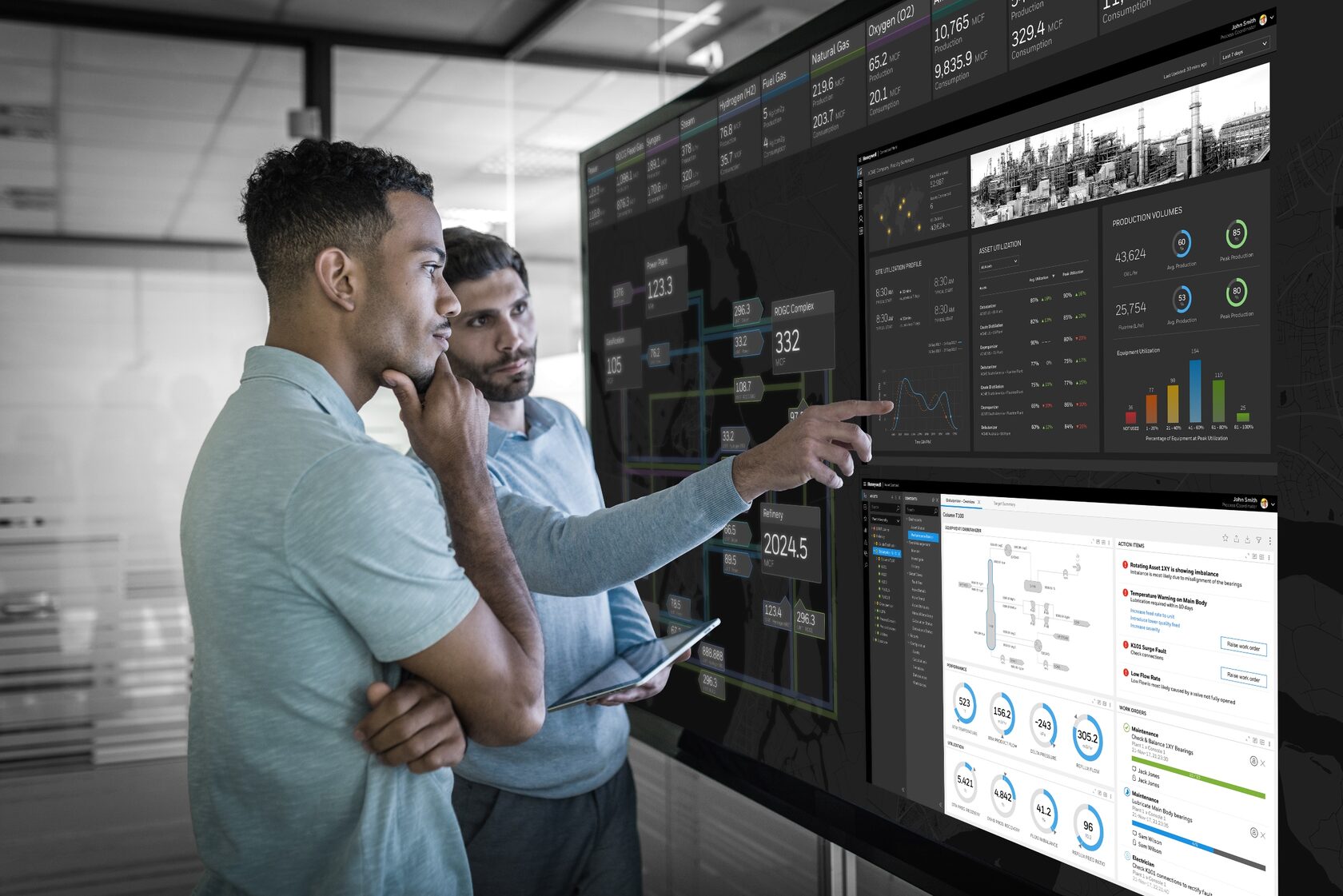
The Monitoring and Control phase begins with the establishment of robust monitoring mechanisms to track progress, performance, and adherence to the project plan. Through regular assessments and reviews, I monitor key performance indicators, milestones, and deliverables to gauge progress and identify any deviations from the plan. This ongoing monitoring allows me to detect issues early on and take corrective actions to prevent them from escalating and derailing the project.
Risk management is a central component of the Monitoring and Control phase, with a focus on identifying, assessing, and mitigating risks that may impact the project’s success. By conducting risk assessments and developing risk response strategies, I proactively address potential threats and capitalize on opportunities to enhance project outcomes. Effective risk management ensures that projects stay resilient in the face of uncertainty and remain aligned with strategic objectives.
Communication remains paramount during the Monitoring and Control phase, with regular updates provided to stakeholders on project status, progress, and any changes or deviations from the plan. Clear and transparent communication fosters trust, promotes collaboration, and ensures that stakeholders are informed and engaged throughout the project lifecycle.
As the project progresses, the Monitoring and Control phase also involves making adjustments to the plan as needed. Change management processes are implemented to assess the impact of changes, evaluate alternatives, and implement them in a controlled manner to minimize disruption and maintain project momentum. This adaptive approach allows projects to remain flexible and responsive to changing circumstances while staying focused on achieving strategic objectives.
Now, let’s explore the top five key benefits of the Monitoring and Control phase:
1. Proactive Issue Resolution: By closely monitoring progress and performance, the Monitoring and Control phase enables early detection of issues and deviations from the plan. This proactive approach allows for timely intervention and corrective action to address problems before they escalate, minimizing the impact on project outcomes.
2.Improved Decision-Making: Through regular assessments and reviews, the Monitoring and Control phase provides stakeholders with the information they need to make informed decisions. By analyzing data, identifying trends, and evaluating alternatives, stakeholders can make strategic decisions with confidence, ensuring that projects remain aligned with strategic objectives.
3.Enhanced Quality Assurance: The Monitoring and Control phase ensures that quality standards are upheld throughout the project lifecycle. By conducting regular inspections, audits, and reviews, I verify that deliverables meet or exceed expectations, driving continuous improvement and ensuring customer satisfaction.
4.Optimal Resource Allocation: By monitoring resource usage and performance, the Monitoring and Control phase allows for optimal allocation of resources to support project activities. This ensures that resources are utilized efficiently and effectively, maximizing productivity and minimizing waste.
5.Stakeholder Confidence: Clear and transparent communication during the Monitoring and Control phase builds stakeholder confidence and trust. By keeping stakeholders informed and engaged, I foster a collaborative environment that promotes shared ownership and commitment to project success.
In summary, the Monitoring and Control phase is a critical component of project management, ensuring that projects stay on track, risks are managed effectively, and strategic objectives are achieved. By implementing robust monitoring mechanisms, proactive risk management, effective communication, and adaptive change management processes, I navigate the path to success, driving continuous improvement and delivering value to my clients and stakeholders. Through vigilance, analysis, and decisive action, I ensure that projects remain resilient and adaptable in the face of uncertainty, ultimately driving sustainable growth and success.